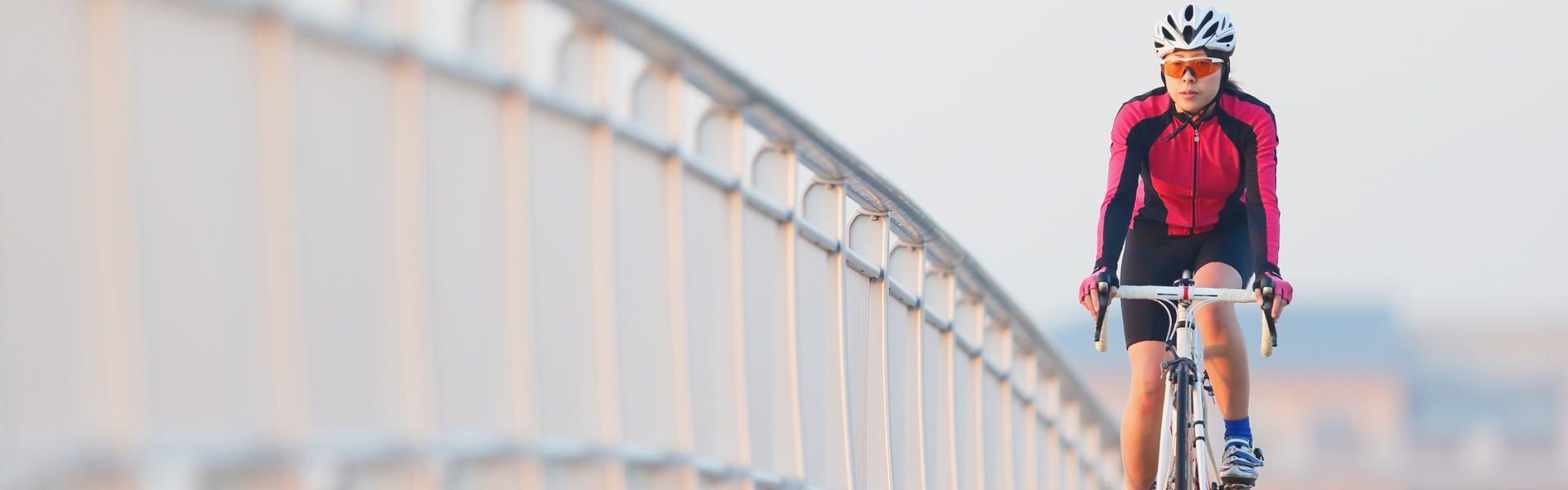
Advice for cyclists
Safe cycling means staying alert, choosing a safe road position, making your intentions clear and being ready for the conditions.
1. Look regularly and stay alert
Keep checking what is happening around you. Look out for:
- vehicles turning or pulling out
- car doors opening
- pedestrians stepping into the road
- changes in the road surface
- vehicles approaching from behind
Do not assume another road user has seen you.
2. Choose a safe road position
Ride where you can be seen and where other road users can pass you safely.
On busy roads, keep at least 0.5 metres from the kerb, moving further out where this is safer.
You may ride in the centre of the lane:
- on quiet roads
- in slow-moving traffic
- near junctions
- where the road narrows
- where it would be unsafe for a vehicle to overtake
At junctions without separate cycling facilities, position yourself in the centre of your chosen lane where it is safe to do so. This can make you more visible and prevent unsafe overtaking.
When passing parked vehicles, leave around a door’s width or one metre to reduce the risk of being hit by an opening door.
If you are cycling with others, you may ride two abreast, particularly when riding in a group or accompanying children or less experienced cyclists. Allow vehicles to overtake when it is safe, for example by moving into single file or stopping somewhere suitable.
Use cycle lanes and routes where they make your journey safer and easier. You are not always required to use them, so decide what is safest for the conditions and your level of experience.
3. Make your intentions clear
Signal before turning or changing position.
Make eye contact with other road users where possible, but do not rely on eye contact alone. Check that it is safe before moving.
Ride predictably and avoid sudden changes in direction.
4. Understand who has priorities
When turning into or out of a side road, give priority to people crossing or waiting to cross.
When cycling straight ahead at a junction, you have priority over traffic waiting to turn into or out of a side road, unless signs or road markings say otherwise.
You may pass slow-moving or stationary traffic on either side, but take extra care. Drivers may not be able to see you, particularly beside larger vehicles.
You must obey traffic lights, road signs and road markings.
5. Be prepared
Before setting off:
- check your tyres, brakes, lights and reflectors
- use lights after dark or when visibility is poor
- wear clothing that will not become caught in the chain or wheels
- consider wearing light-coloured, fluorescent or reflective clothing
- wear a correctly fitted and securely fastened cycle helmet
- plan your route, using quieter roads or cycle routes where possible
Cycle training can help you build your skills and confidence on different types of road.
Read more
- Highway Code rules for cyclists
- Find cycle training near you and the whole family here: Looking to learn how to cycle with confidence? – Find Cycle Training (bikeability.org.uk)
- Find cycle training for schools and more online resources here: Bikeability for students – tips and resources for schools
Advice for drivers
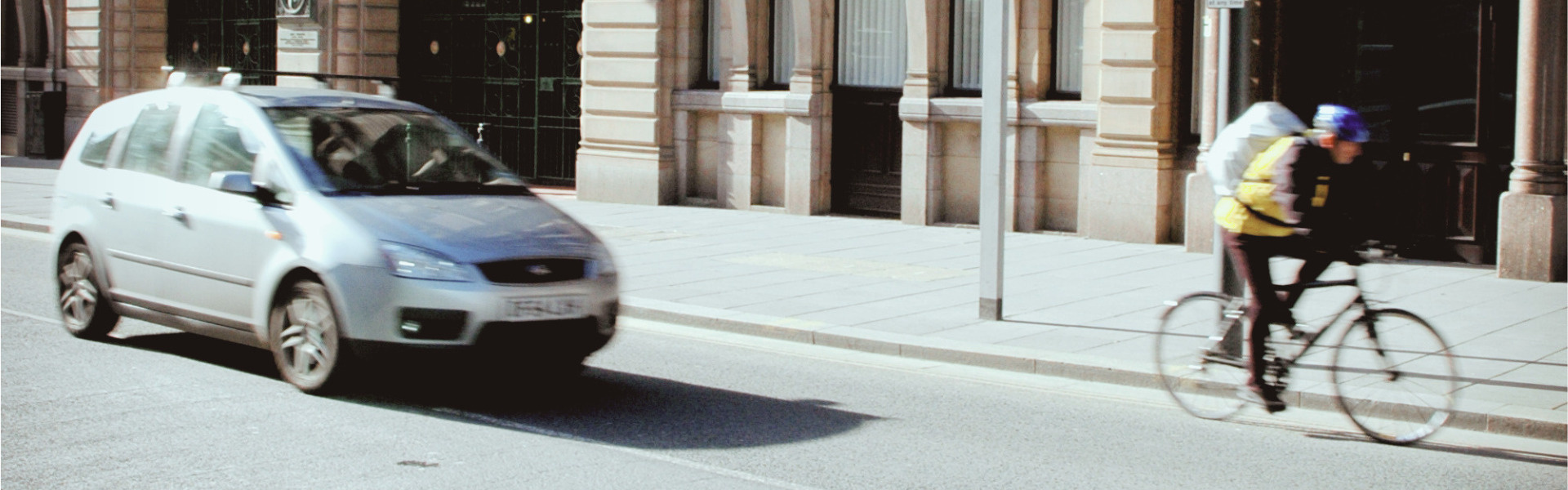
People cycling can be harder to see and may need to move away from the kerb to avoid hazards. Look carefully, give them space and be patient.
1. Look carefully for cyclists
Stay alert and regularly check your mirrors and blind spots.
Look specifically for people cycling:
- when pulling out of a junction
- before turning
- at roundabouts
- on narrow roads
- beside parked vehicles
- before opening your door
Use your indicators and look out for cyclists signalling or looking over their shoulder.
Make eye contact where possible, but do not assume this means it is safe to move.
Take extra care when:
- emerging from a junction
- approaching a junction with a cyclist ahead
- driving around a roundabout
- travelling along a narrow road with parked vehicles
- carrying out any manoeuvre
Before opening your door, check your mirrors and look behind you. Where possible, use the hand furthest from the door, as this encourages you to turn and check for cyclists.
2. Give cyclists time and space
When overtaking at speeds of up to 30 mph, leave at least 1.5 metres. Give more space at higher speeds or in poor road and weather conditions.
Wait behind if there is not enough room to overtake safely.
Cyclists may ride in the centre of the lane:
- on quiet roads
- in slow-moving traffic
- near junctions
- where the road narrows
- where it would be unsafe to overtake
Be patient and do not pressure them to move closer to the kerb.
At traffic lights, stop at the first white line when the lights are red or amber. Allow cyclists in the advanced stopping area enough time and space to move off.
Do not turn left immediately after overtaking a cyclist. They may not have enough time or space to react.
3. Understand who has priority
Give priority to cyclists travelling straight ahead when you are turning into or out of a side road.
Give priority to people crossing or waiting to cross.
At roundabouts:
- do not overtake a cyclist within their lane
- allow them time and space to move across your path
- expect them to ride in the centre of the lane where this is safer
Do not drive or park in a cycle lane marked by a solid white line during its hours of operation.
Only enter a cycle lane marked by a broken white line when it is unavoidable and safe to do so.
Read more
- For more driving safely tips, follow @safe.driving.for.life on Instagram or check out their website: Safe Driving for Life
- Find information on additional training you can do after passing your test here: Further training for car drivers (safedrivingforlife.info)